Playas del Coco (Coco Beach): Guanacaste base guide
A beach town on a calm bay in Guanacaste, close to Liberia airport, with dive boats, fishing trips and sunset sails.
Direct answer: Playas del Coco is an easy base if you want a short ride from Liberia airport, a calm bay and boat days for diving, snorkeling, fishing or sailing. Pick Papagayo for a resort stay, or Tamarindo if surf is the main plan.
Where Playas del Coco sits (Guanacaste and Liberia)
Playas del Coco is a beach town in the Sardinal district of Carrillo, in Guanacaste. It sits on the Gulf of Papagayo, on Costa Rica's North Pacific coast. You may also see it written as Playas de Coco, El Coco or Coco Beach.
Coco grew up as a fishing village. Both small-scale and sport fishing still matter here.
Getting from Liberia (LIR)
Guanacaste Airport (LIR) is inland, northeast of town. Shuttle companies list about 25 to 40 minutes for a private transfer to Coco, though one quotes up to an hour and a half. The time depends on traffic and where you stay.
The airport says to use only authorized rides, such as authorized taxis, private shuttles and shared transport. Rental car desks are inside the airport. A direct public bus from the airport to Coco isn't confirmed, so plan a shuttle, a taxi or a car.
Coco Beach, the town and the nearby marina
The beach has almost three kilometers of grayish sand around a calm bay. The water has little swell, and boats anchor safely offshore. Low hills ring the bay.
Restaurants, small hotels, hostels, tour agencies and souvenir stands sit near the sand. The marina is not in town. Marina Papagayo is on the Papagayo Peninsula, a few kilometers from Coco across Culebra Bay.
Watch the beach flags and ask locally about currents before you swim.
Who this base fits (and who should pick elsewhere)
- Divers and snorkelers: Coco, Ocotal and Playa Hermosa have a large group of dive operators. Costa Rica's tourism board names Coco and Playa Hermosa as good spots for new divers.
- Anglers: sport fishing has long been part of town life, and boats leave from the bay.
- Families: the bay is sheltered, with little swell, so the water is often gentle.
- Walk-to-dinner travelers: food, tour desks and the beach are close together.
Want a resort stay? Look at the Papagayo Peninsula. Want surf first? Tamarindo is a surf town farther south on the Guanacaste coast.
Things to do in Playas del Coco
In Coco, most plans start at the water. Boats leave the calm bay for islands, fishing spots and sunset sails. Land tours head into the hills and out to a blue river.
Dive or snorkel the Catalina Islands
Dive and snorkel boats from Coco head to the Catalina Islands. Costa Rica's tourism board says manta rays gather there from about January to April. It also names Coco and Playa Hermosa as good spots for new divers.
Plan a Bat Islands dive
The Bat Islands (Islas Murciélago) are known for bull sharks. The tourism board suggests March to November to see them. Trips there need entry approved by the Guanacaste Conservation Area (ACG), which manages that protected marine area. Ask your operator about this before you book.
Go sport fishing
Sport fishing trips leave from Coco's bay. Costa Rica's fisheries agency, INCOPESCA, says everyone who sport fishes from a boat must carry a sport fishing card. Ask your captain if the card is part of the trip.
Take a sunset sail
Sailing trips and sunset cruises are part of the local offer. One catamaran trip meets in Coco and lasts about 4.5 hours, with a stop to swim or snorkel. Its listing says it is not a good fit for people who get seasick.
Ride an ATV
ATV tours run on forest trails, rural roads and viewpoints near town. On one private 4-hour ride, drivers need a valid license, and kids can ride only as passengers.
Ride a horse, hike or zip line
On land, the area has canopy tours, cycling, hiking and horseback riding. You can also ride a horse or take a long walk on the beach.
Take a day trip to Río Celeste
One full-day tour leaves Coco for the Río Celeste, near Tenorio Volcano. It stops at a private spot on the river, not at the waterfall. The day also has sloths, coffee and cacao. Bring a swimsuit and a towel.
Plan around the wind
From about December to March, strong Papagayo winds can make the sea rough. Book boat days early in your stay and keep a spare day.
Tours you can book from Coco
Sunset sailing and snorkeling tour
About 4.5 hours on a catamaran that sails from Playas del Coco, with a swim stop.
See AvailabilityPrivate 4-hour ATV ride
Forest trails, rural roads and viewpoints near Coco. Drivers need a valid license.
See AvailabilityRío Celeste day trip from Coco
A full day to the Río Celeste area near Tenorio Volcano, with sloths, coffee and cacao.
See AvailabilityThe deal buttons open each trip's current price and dates. Check them before you plan your week.
Playas de Coco Tours & Activities
Experience diving, fishing, and marine adventures in Guanacaste

Catalina Island Snorkeling & Diving Adventure
Playas de Coco
Explore marine life at Catalina Island, a diving and snorkeling destination.

Sport Fishing Deep Sea Charter
Playas de Coco
Experience sport fishing in the Pacific waters off Guanacaste with chances to catch marlin, sailfish, and mahi-mahi.
Sunset Catamaran Cruise
Playas de Coco
Sail along the beautiful Guanacaste coast on a catamaran, snorkeling stops, and spectacular sunset views.
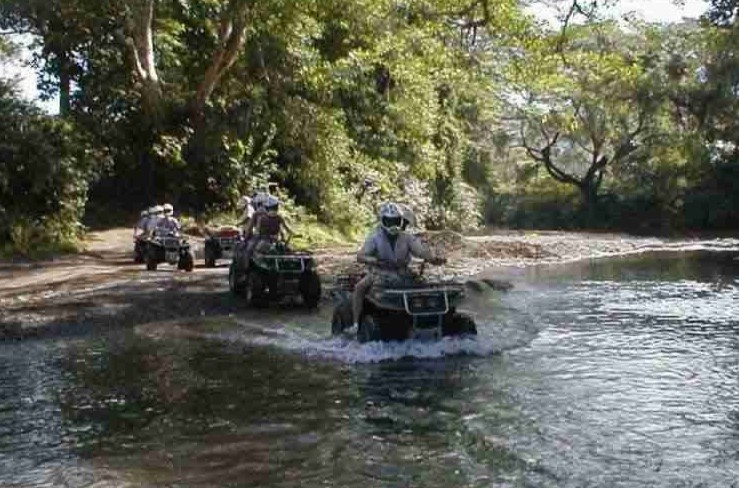
ATV Beach & Mountain Adventure
Playas de Coco
Explore hidden beaches, mountain trails, and scenic viewpoints on an exciting ATV adventure through Guanacaste's diverse landscapes.
Want more ideas? See all Costa Rica tours and activities.
When to go
Dry season (about mid-November to mid-May): days are warm and dry. From about December to March, strong trade winds blow across the Gulf of Papagayo. Costa Rica's weather institute (IMN) calls this the Papagayo jet. The wind can make the sea rough, and boat trips can be cut short or called off. The captain makes the final call.
Green season (about mid-May to mid-November): rain tends to come and go, with steadier rain in October. Hills turn green.
If boat days matter to you, book them early in your stay and keep a spare day. In the high season, reserve ahead for national park visits.
Where to stay: area types
- In town, near the beach: small hotels and hostels close to restaurants, tour desks and transport.
- Condos and vacation rentals: apartments and homes on booking sites, handy for families and longer trips.
- Hills near Ocotal: Playa Ocotal is a small cove southwest of Coco, with hillside homes that look over the Gulf of Papagayo.
- Resorts: international hotel chains run resorts in the wider Coco and Papagayo area.
Thinking about a longer stay? See Playas del Coco real estate, including 3-bedroom residences from $318,000.
Nearby destinations worth pairing
- Papagayo Peninsula: across Culebra Bay. It is the most built-up part of the gulf, with high-end hotel chains, all-inclusive resorts and Marina Papagayo.
- Tamarindo: a surf town farther south on the Guanacaste coast.
- Santa Teresa: near the southern tip of the Nicoya Peninsula. It is a much longer trip, so plan it as its own stop.
- Jacó: a Central Pacific beach town, closer to San José than to Guanacaste.
Heading home soon? Browse the Costa Rica gift store and our Costa Rica coffee picks. Or go back to the EasyCostaRica home page.
For more on Coco's beaches, boat trips and getting around, see the CocoGuanacaste.com local guide to Playas del Coco.
Playas del Coco FAQ
Is Playas del Coco the same as Coco Beach?
Yes. Playas del Coco is the town and its beach, and many visitors call it Coco Beach. You may also see it written as Playas de Coco or El Coco.
How far is Playas del Coco from Liberia Airport?
Shuttle companies list about 25 to 40 minutes for a private transfer from Guanacaste Airport (LIR) to Coco, though one quotes up to an hour and a half. Traffic and where you stay change the time.
Is Playas del Coco good for diving and sport fishing?
Yes. Coco has many dive operators and sport fishing boats. Dive boats head to the Catalina Islands, known for manta rays, and to the Bat Islands, known for bull sharks. Bat Islands trips need entry approved by the Guanacaste Conservation Area (ACG).
Playas del Coco or Papagayo: which should I choose?
Choose Coco if you want a small town with restaurants, tour desks and boat trips close by. Choose the Papagayo Peninsula if you want a resort stay. It is the most built-up part of the Gulf of Papagayo, with high-end hotel chains.
When should I visit Playas del Coco?
The dry season runs from about mid-November to mid-May. Strong winds blow from about December to March and can cut boat trips short. The green season brings rain that comes and goes, with steadier rain in October.
What are some things to do in Playas del Coco?
Most people come for boat days: diving or snorkeling at the Catalina Islands, sport fishing and sunset sails. On land, you can ride an ATV or a horse, hike, zip line or take a day trip to the Río Celeste area.
Tour times, sea conditions and park rules change. Check with your operator or stay before you go.